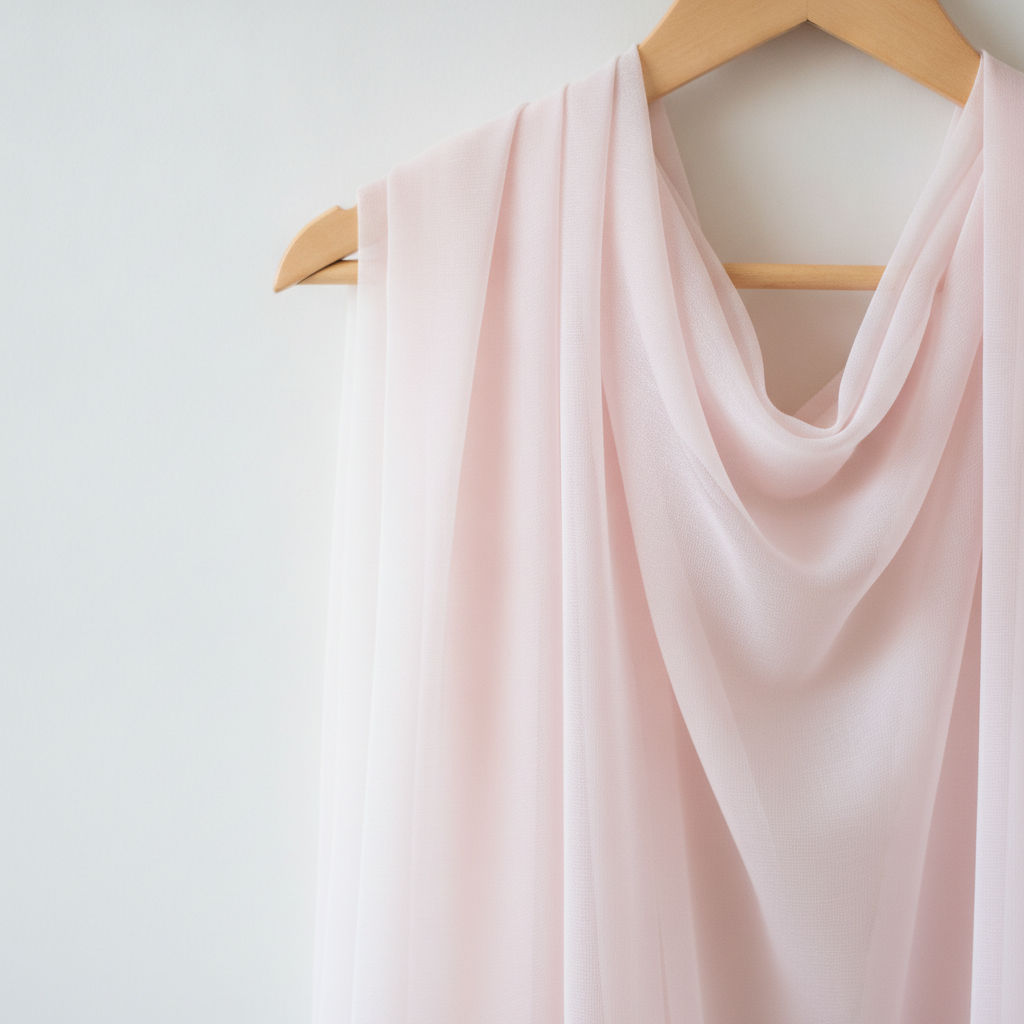
Chiffon is a weaving technique that results in a lightweight, plain weave cloth with a faint gloss. These puckers are made by twisting s-twist and z-twist crepe yarns counter-clockwise and clockwise, respectively.
One chiffon fabric is woven from a range of synthetic and natural textiles, such as silk, nylon, rayon, or polyester. In this regard, Wholesale Chiffon Dress is most challenging for women’s wardrobes effectively.
Peculiar effects on your sale:
So, chiffon dresses are the best choice ever. This is how it impacts your sale.IN summer the best first-class chiffon dresses look forward to wearing. Because of its lightweight and gauzy feeling. So, if you stock tops, plus size clothing and other Wholesale Accessories hereafter make it possible to develop your sale initially.
Superior Chiffon:
Chiffon dresses have superior advantages over their rivals. There are numerous ways to determine whether a cloth is made of silk chiffon or not. At first, you can tell just looking at it. Chiffon outfits have a distinctive inherent glow about them. It is 100 % assurance about your sale and henceforth, it is clear that chiffon dresses are booming and bankable Women’s Summer Fashion collection best to enhance sales effectively.
Women’s dresses chiffon a beautiful fabric how:
⦁ Drapes fine:
Chiffon has a lovely drape that makes the fabric suitable for evening gowns. It also retains some of its original structure, lending the fabric a distinct personality.
⦁ Hold dye well:
Silk chiffon, especially silk chiffon, displays color wonderfully because silk fibers absorb a lot of dye.
⦁ Losses outfit all time:
Silk chiffon loses shape and may sag with use. Nylon and polyester chiffon hold their shape better than silk chiffon.
Types of chiffon fabrics:
Sheer and Shimmery: Chiffon dresses have a sheer, magnifying glass, it looks like a fine net and mesh along the shimmery surface.
Stretch: Chiffon’s best type is it has a slight satin-like feel. As silk is naturally more ductile.
Rough feel: There is a slight rumble in chiffon due to alternating s- twist and z-twist cord.
Strong: Chiffon dresses are both in silk and synthetic, with an extremely strong and tight weave of fabrics.
Online Chiffon variety:
What about Summer Fashion Online importantly used for various assortment? Likely, that being felt sensation and comfort it brings about you. So that women find very easily a variety online including fashion clothing along with chiffon clothing.
These days chiffon style is a common fashionista for casual wear with trousers paired with beautiful handbags and other accessories effectively. If you are a fashion lover and well know about the ins and outs of fashion. You know women are crazy about fashion and want to wear new and trendy at all times.
There are embroidered chiffon dresses, there are different types of chiffon fabric that women love to wear and cart best silk, cotton, viscose, rayon or polyester variety.
⦁ Silk crepe chiffon outfits
⦁ Silk satin chiffon dresses
⦁ Chiffon with embroidery
All these and many more have made all that decorative finishing, which has made it a crowd favorite among luxurious clothes. It has a wide variety of all of these share the same qualities effectively.
Final words:
Just click Wholesale Fashion to get above and bring up a variety at one click away. Fast-growing and cost-effective varieties will cater for your best customers 24/7 each day.